

Wedding Photography & Videography Packages 2026
Share
Photography and videography are the two things couples most often say they're glad they didn't cut corners on — because unlike almost everything else at a wedding, the day itself can't be reshot. This guide breaks down what UK wedding photo and video packages actually cost in 2026, what's included at each level, how the two work together, and how to choose coverage that fits your day without overpaying.
The short version: according to Bridebook's 2026 data, the average UK couple spends £1,484 on a photographer and £1,514 on a videographer. Together, the two typically account for around 10% of a £20,604 wedding. But those averages hide a wide range, so let's look at what drives the numbers.
What Wedding Photography Costs in 2026
Most couples spend between £600 and £2,500 on their wedding photographer, with full-day coverage averaging around £2,024. London and the South East usually run £200–£500 higher than the rest of the country. Where you land within that range comes down to a few things: the photographer's experience and reputation, how many hours you book, whether you add a second shooter, and the amount of editing involved — professionals typically spend two to three hours in post-production for every hour shot.
A typical photography package includes a pre-wedding consultation, an agreed number of coverage hours, a set of professionally edited high-resolution images, and delivery through a private online gallery with print and personal-use rights. Common inclusions worth checking for: getting-ready coverage, the ceremony from multiple angles, family formal portraits, and the reception through to the first dance. Add-ons that push the price up include a second photographer (valuable for larger venues or capturing both partners getting ready), an engagement shoot, drone coverage, and a printed album.
What Wedding Videography Costs in 2026
Wedding video sits at almost the same average as photography — £1,514 in 2026 — with most couples spending between £500 and £2,500, and full-day cinematic coverage commonly running £1,500–£3,500. The spread reflects three variables: how many people are filming, how long they stay, and what kind of edit you get back. Roughly:
- £500–£1,200 (entry level): usually someone earlier in their career, single camera, shorter coverage (often ceremony and speeches), and a basic edit.
- £1,500–£2,500 (mid-range): full-day coverage, a highlights film of around 5–10 minutes, plus separate edits of the ceremony and speeches.
- £2,800 and up (high-end): multi-camera cinematic production, a longer documentary edit, careful sound design and colour grading.
It helps to understand where the money goes. A camera operator costs £450–£650 per day, and post-production editing adds roughly £350 per day on top — and a full-day film can take days of editing after the wedding itself. That's why a suspiciously cheap quote is worth scrutinising: the footage can't be reshot, so cut corners tend to show up in shaky shots or muffled audio only once the film lands.
Combining Photography and Video
Booking both together is popular, and a healthy combined budget sits in the region of £2,500–£5,000 depending on coverage and style. The appeal is coordination: a photo and video team that's used to working alongside each other stays out of each other's shots and shares a consistent creative direction, and you deal with one point of contact and one delivery timeline.
The honest caveat: some studios are genuinely stronger in one medium than the other, so if you book a combined package, look at full examples of both their photography and their films — not just a highlight reel of whichever they do best. A second shooter or second videographer is a common add-on that adds a few hundred pounds and gives you alternate angles of key moments.
How Many Hours of Coverage Do You Need?
Coverage typically ranges from 4 to 12 hours, and 8 hours is the most popular choice for a traditional wedding — enough to run from getting ready through to the early reception. If you're planning an intimate wedding or elopement, 4–6 hours is often enough to comfortably capture the ceremony and portraits. If you want the full arc, from morning prep to a well-documented evening, look at 10 hours.
The best way to decide is to map out your day: when preparations start, the ceremony time, and how late you want the reception filmed. Larger guest counts, multiple locations, or cultural traditions all push you towards more hours. And whatever "full-day coverage" means to a given supplier, get the exact number of hours in writing — definitions vary.
What's Trending in 2026
Four things are shaping wedding photos and videos this year. Documentary and candid styles continue to dominate, with couples wanting their day to unfold naturally rather than posed. Natural light and film photography — including the revival of Super 8 and 35mm — are bringing back a soft, timeless, slightly nostalgic look. Drone coverage has shifted from novelty to near-standard for venues that suit it.
The genuinely new arrival is the wedding content creator. Rather than replacing your videographer, they follow the day on a phone and deliver hundreds of candid, social-ready clips within 24–48 hours — perfect for sharing while the day is still fresh. Packages start from around £490, and they're best thought of as a complement to professional video, not a substitute for it.
Delivery, Galleries and Image Rights
Your edited images usually arrive through a private, password-protected online gallery, typically within four to eight weeks, where you can download high-resolution files and order prints. On rights: photographers and videographers generally retain the copyright to their work, while you receive personal-use rights — you can print, share and post your photos (with a credit) for non-commercial purposes, but commercial use needs separate permission. It's spelt out in your contract, so read that section.
One practical tip once you receive everything: back it up in more than one place. Download the full-resolution files to your computer, copy them to an external drive, and keep a copy in cloud storage. Galleries don't stay live forever, and these are files you can't recreate.
How to Choose — and What to Ask
Style match matters more than anything: review full portfolios (entire weddings, not just the best three shots from each) to ensure the quality and emotional feel hold up throughout the day. Beyond that, a few questions save disappointment:
- Exactly how many hours does the package include, and what happens if the day overruns?
- Do you bring backup equipment and a second body — what's your plan if something fails?
- Is a second shooter included or extra, and how much?
- What's the delivery timeline, and how many edited images or minutes of film do I get?
- Are travel costs included? Most UK suppliers include reasonable travel; destination weddings attract extra costs.
Insist on a written contract that lists every deliverable, so there are no misunderstandings later.
Where This Sits in Your Budget
Photography and videography together make up roughly 10% of the average UK wedding, and they're consistently the categories couples say they wish they'd spent more on, never less — because the film and photos are the only parts of the day you get to relive. If you need to free up budget to protect them, it's smarter to trim categories you can't live without. The cake is a good example: swapping a traditional wedding cake (which averages around £360) for a cheese wedding cake from £125 — one that doubles as evening food — frees up money without touching the memories you can never recapture.
Photography & Videography FAQs
How much should I budget for a wedding photographer and videographer?
In 2026, budget around £1,500 each as a midpoint — roughly £600–£2,500 for photography and £500–£2,500 for videography — or £2,500–£5,000 combined for full coverage of both. London and the South East run higher.
Is a wedding videographer worth it?
For most couples who've been through it, yes — video captures sound and movement that photography can't, from the exact words of the vows to the laughter after a speech. It's the single thing couples most often say they're glad they invested in.
How far in advance should I book?
Established photographers and filmmakers often fill peak-season Saturdays 12–18 months ahead. If both matter to you, secure them early.
Do I own the copyright to my wedding photos?
Usually not — the photographer typically keeps the copyright and grants you personal-use rights to print and share. Commercial use needs separate permission. Check your contract for the specifics.
The Bottom Line
Wedding photography and videography require a bit of homework. Match the style to how you want to remember the day, book the hours your timeline actually needs, get every deliverable in writing, and confirm your supplier carries backup equipment. Spend where it counts — this is the part of the day you'll return to for decades — and find your savings in the categories you won't miss.
Cost figures are drawn from Bridebook's 2026 UK Wedding Report and current UK supplier pricing data.
Continue reading
-
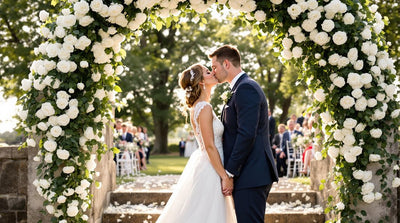 UK Wedding Photography: Tips for Capturing Your Big Day
-
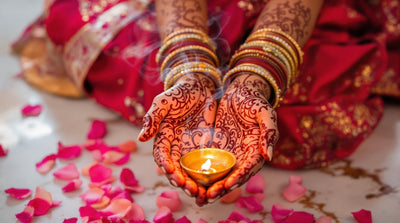 Cultural Wedding Photography: Traditional Moments
-
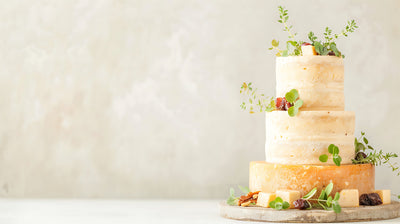 Wedding Food & Drink Ideas: The Complete 2026 UK Guide
Planning your wedding cake? Our cheese wedding cakes are a striking, cost-effective alternative to a traditional tiered cake — handcrafted from artisan British cheese, delivered chilled across the UK.
Browse cheese wedding cakes