

Average Wedding Cost UK: Complete Pricing Guide
Share
How much does a wedding cost? According to Bridebook's 2026 UK Wedding Report, drawn from around 7,000 couples, the average UK wedding costs £20,604 — and that's before the engagement ring and honeymoon. Factor those in and the all-in figure climbs to roughly £26,000.
Rather than rising sharply, wedding spending has held broadly steady over the past couple of years (£20,775 in 2024, £20,822 in 2025). Couples aren't necessarily spending less; they're spending more intentionally — inviting fewer guests but investing more in the day itself.
Here's how a typical UK wedding budget breaks down.
Core Wedding Budget Elements
A typical allocation of costs, to help you see where your money tends to go:
- Venue hire: 35–40% (£2,000–£15,000)
- Catering and drinks: 25–30% (£50–£150 per person)
- Photography and video: 8–12% (£1,500–£6,000)
- Attire (dress, groom and party): 6–10% (£2,000–£4,000)
- Flowers and décor: 4–8% (£500–£3,000)
- Entertainment: 4–6% (£300–£6,500)
Regional variation: where you marry makes a big difference. London commonly runs 40–60% above the national average — often £30,000 or more — while Scotland, Wales and the North East typically sit around 15–20% below it. Supplier rates and local demand drive most of the gap.
Additional considerations:
- Wedding dress: £1,500–£2,500, plus £300–£1,000 for accessories — one of the most significant single items in the budget.
- Dress alterations: £200–£800
- Wedding insurance: £200–£500
Hidden costs to factor in:
- Service charges: 15–25% on food and drink
- Overtime fees for venues and suppliers
- Cake-cutting fees: £1–£7 per guest (one reason couples increasingly look at alternatives like a cheese wedding cake, which doubles as evening food)
Your actual costs will depend on your choices, location and guest count — but knowing the typical split makes it far easier to plan with confidence.
Key Takeaways
- The average UK wedding costs around £20,604 in 2026 (excluding the ring and honeymoon), or roughly £26,000 all-in, broadly stable year on year, per Bridebook's 2026 UK Wedding Report.
- Location matters most: London weddings often exceed £30,000, while Scotland, Wales and the North East typically run 15–20% below the national average.
- Venue hire: usually 35–40% of your total budget (£2,000–£15,000).
- Catering: plan for 25–30% (£50–£150 per person).
- Photography and video: around 8–12% of your overall budget.
- Entertainment: 4–6%, from DJ sets (£300–£1,000) to live bands (£1,700–£6,500).
- Wedding dress: around £1,500–£2,500, plus accessories and alterations (£200–£800).
- Hidden costs: watch for service charges (15–25%), cake-cutting fees (£1–£7 per guest) and supplier overtime.
- Insurance and contingency: budget £200–£500 for wedding insurance and keep a 10% cushion for surprises.
Introduction to Wedding Planning
Wedding planning in the UK brings together countless details, from choosing your venue to settling on the attire — and nearly every one of them carries a cost. Understanding where your money goes is the key to a day that feels both memorable and affordable.
As you start, it helps to see each element — venue, catering, attire, flowers, entertainment — as a slice of a single overall budget, rather than a series of separate decisions. Recognising this can make you feel more confident and in control, helping you enjoy the process without stress. The aim is to strike a balance between personal style and practical choices, so the day reflects your vision without overspending. Stay informed about typical costs, set clear priorities early, and the process becomes far easier to enjoy and to control.
Setting Your Wedding Budget: A Practical Guide
A realistic budget starts with three things: how much you have to spend, the kind of celebration you want, and how many guests you'll invite. Those three shape almost every decision that follows — guest count especially, since it drives catering, seating, stationery and more.
Current UK costs: the average UK wedding comes in at around £20,604 (excluding ring and honeymoon), or roughly £26,000 all-in. Here's where the money typically goes:
- Venue hire: 35–40% (£2,000–£15,000)
- Catering and drinks: 25–30% (£50–£150 per person)
- Photography and video: 8–12% of total budget
- Flowers and décor: 4–8% of total budget
- Entertainment: 4–6% — DJ sets £300–£1,000, live bands £1,700–£6,500
Wedding attire is worth budgeting as its own group:
- Wedding dress: £1,500–£2,500
- Bridesmaids' dresses: £50–£250 each
- Groom's attire: £500–£1,000
Budget management tips:
- Set aside a 10% contingency for unexpected costs
- Track everything in one clear spreadsheet (or a budgeting app)
- Review your running total monthly
- Consider a separate account just for wedding spending
- Ask suppliers about payment schedules early
Worth knowing:
- Around 56% of couples go over their original budget — a contingency is your safeguard
- Guest count affects nearly every category, so it's the first lever to pull if costs creep up
- Booking early tends to secure better supplier rates
- Many couples fund the day through a mix of savings, gifts and family contributions
These are current market averages — your actual costs will depend on your location, choices and priorities.
Average UK Wedding Costs: What to Expect
The average UK wedding costs around £20,604 — or roughly £26,000 once the ring and honeymoon are included. But understanding how location and guest count influence this figure helps you plan more effectively.
Region plays a big part. Venue hire and catering tend to be higher in London and the South East, while other areas often offer better value, helping you tailor your budget based on your wedding location.
The biggest factor is your guest list. Food, drink, and seating costs scale directly with the number of attendees, so trimming your list is the quickest way to control expenses and stay within budget.
Understand the average and the handful of factors that move it, and you can set realistic expectations from the outset — and sidestep the unexpected costs that catch couples out.
Venue Options and Price Points
Your venue is usually the largest single line in the budget, typically 35–40% of the total. Here's how the main options compare.
Traditional venues — banquet halls and hotels: £5,000–£10,000. These often include the basics (tables, chairs, sometimes catering). Some cater in-house; others ask you to bring in an external caterer for food and drink.
Character venues — historic homes, country houses, farms and barns (the latter increasingly popular across the East Midlands). Expect £2,000–£15,000, depending on location and what's included.
Costs run higher in London and the South East and lower across Scotland, Wales and the North — commonly 40–60% above the national average in the capital, and 15–20% below it in the cheaper regions.
Key price factors:
- Guest capacity: more guests means more space, staff and facilities
- Location: urban venues command higher rates than rural ones
- Season: peak summer dates cost more than winter ones
- What's included: some venues bundle catering and décor, others are space-only
- Catering rules: some venues require their own caterers, others let you choose, which affects both cost and logistics
Money-saving tips:
- Consider off-peak months (November–March often have better rates)
- Look at Thursday or Sunday dates
- Compare all-inclusive packages against dry-hire options
- Check exactly what's in the base price — furniture, kitchen access, staff
And factor in the extras when comparing: service charges (15–25%) and any required insurance can significantly shift the real total.
Wedding Catering Costs: What to Expect
Food and drink usually account for 25–30% of the wedding budget — second only to the venue. Here's what that looks like in real numbers.
By guest count:
- 40 guests: around £2,600 (£65 per person)
- 80–90 guests: around £5,700 (£63–71 per person)
- 160 guests: around £10,400 (£65 per person)
By service style:
- Buffet: £50–90 per person
- Food stations: £50–75 per person
- Plated dinners: £100–200 per person
Drinks and extras:
- Beverage packages: from £15 per person
- Canapés and appetisers: £15–35 per person
- Service charge: typically adds 18–22% to the bill
Ways to keep catering costs down:
- Consider a daytime celebration with a lighter menu
- Choose a buffet or food stations over a plated dinner for more flexibility
- Pick seasonal ingredients and skip premium items like seafood
- Manage bar costs (a limited or cash bar in the evening)
- Think about your evening food carefully — a cheese wedding cake is a popular option here, doubling as your cake-cutting centrepiece and the evening grazing board, which can save a separate evening-food bill
Practical tips:
- Get clear quotes that include the service charge
- Ask about minimum guest numbers
- Check whether tastings are included
- Raise dietary requirements early
- Factor in staff gratuities
Set aside 10–15% of your catering budget for last-minute changes or additions. A little planning goes a long way towards balancing quality and cost while making sure your guests are properly fed.
Wedding Cake and Desserts: Pricing and Selection
No wedding is quite complete without a centrepiece cake or a tempting dessert display. A traditional tiered wedding cake in the UK typically runs from £300 to £1,000, with bespoke designs and intricate detailing pushing higher — sometimes up to £5,000.
That cost is one reason more and more couples are looking at alternatives. A cheese wedding cake is among the most popular: ours range from £125 to £300, and a tiered tower of whole British cheeses doubles as both your cake-cutting centrepiece and the evening grazing board — feeding the room twice over and often saving a separate evening-food bill. We offer 23 pre-built designs as well as a bespoke build service for any guest count.
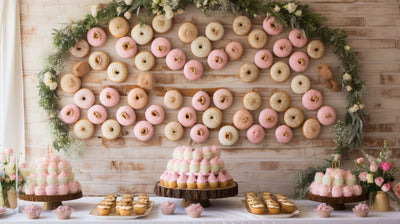
Other creative options include dessert tables of cupcakes, doughnuts or macarons, which can be more budget-friendly and add a personal twist. Whatever you choose, talk through your vision and budget with your supplier early, and consider how the cake fits your overall plan — as a centrepiece, dessert, or evening food.
Wedding Entertainment: DJs vs Live Bands
Music typically takes 4–6% of the wedding budget, and the choice usually comes down to a live band or a DJ. Here's how they compare.
Live bands: a standard four-piece runs £1,700–£3,000; larger bands of six or more, £3,000–£6,500. Expect two 45-minute or three 30-minute sets, with ceremony music often an add-on at £200–£500.
DJs: typically £500–£1,700 for five to six hours, usually including basic lighting, and far more flexible on space.
What drives the price: performance length, band size, travel distance, equipment needs, peak-versus-off-peak dates, and any venue requirements.
Ways to save:
- Book midweek or off-season
- Consider a smaller band line-up
- Look at the combined ceremony/reception packages
- Book early to lock in current rates
Before you sign: check what equipment is included, review the cancellation policy, confirm backup plans, discuss overtime rates, and ask about setup requirements. Both a band and a DJ can fill a dance floor — choose what fits your style and budget rather than chasing a trend.
Wedding Photography: Understanding the Costs
Photography usually accounts for 8–12% of the budget, typically £1,500–£5,000, and costs have climbed steadily as demand and expectations have grown. Here's what the tiers tend to look like.
Basic (around 6 hours): £1,500–£2,000 — one photographer, digital files, online gallery.
Standard (8–10 hours): £2,000–£3,000 — more coverage, an engagement shoot, a second shooter for part of the day.
Premium (full day): £3,000–£5,000 — two photographers, extended hours, album and prints, engagement session.
What affects the price: coverage length, number of photographers, location (urban costs more), season (summer commands a premium), and included products like albums and prints.
Ways to save:
- Book off-peak (November–March)
- Consider shorter coverage hours or a weekday
- Prioritise digital files over physical products
Before you book: secure your photographer 12–18 months in advance, check which digital rights are included, ask about overtime rates, confirm backup-equipment plans, and review post-production timeframes. Good photography outlasts the day itself — balance the saving against experience and style.
Wedding Attire: Dress, Groom and Party
Attire usually accounts for 6–10% of the wedding budget, split across the dress, the groom's outfit, and the wedding party. Here's what to plan for.
The wedding dress is typically the largest single item. Most UK brides spend £1,500–£2,500, though the range runs from around £500 on the high street to £10,000-plus at the top end.
- High-street bridal: £500–£1,500
- Designer boutiques: £2,000–£3,000
- Alterations: £200–£800
- Veil, shoes and undergarments: £300–£1,000 combined
A £2,000 dress can quietly become £3,000+ once alterations and accessories are added, so budget for the whole outfit, not just the gown. To keep costs down, look for sample sales (often 40–70% off), designer trunk shows (10–15% off), pre-loved designer dresses, and the January and summer sales. A simpler design with one standout feature often gives the most impact for the money — and don't forget preservation costs afterwards.
The groom's outfit typically runs £400–£800 for a suit or £800–£1,200 for a tailored option, plus shoes and accessories (£150–£500). Cufflinks, a pocket square and a coordinating tie finish the look; choosing versatile pieces you'll wear again stretches the spend further. Coordinating with the groomsmen keeps the whole party cohesive.
The wedding party — bridesmaids and groomsmen — usually adds up to a further slice of the budget, though the attendants themselves often cover their own costs:
- Bridesmaid dresses: £80–£250 each (high street £80–£120, boutique £150–£250)
- Groomsmen attire: £150–£250 per person
- Alterations: £30–£80 per dress
- Accessories, shoes, hair and makeup: £120–£330 per person combined
Set clear budget guidance early, allow time for alterations, and agree up front on who's paying for what. Multi-wear styles, end-of-season sales and dress-hire services (from around £40) all help keep wedding-party costs sensible.
Floral and Décor Costs
Flowers and décor typically take around 4–8% of the wedding budget, with most couples spending between £500 and £3,500 overall — and a national average for flowers alone of roughly £1,500–£3,000, depending on season and region.
Costs swing most on two things: your choice of blooms and the complexity of the arrangements. In-season flowers and a good local florist (who'll have better rates on regional varieties) are the two biggest levers. It's worth noting that some cheap flowers work out dearer once you need them in volume, so weigh quality against quantity rather than picking on headline price alone.
| Item | Price range | Money-saving tip |
|---|---|---|
| Bridal bouquet | £90–£650 | Choose seasonal blooms |
| Centrepieces | £80–£350 | Reuse ceremony arrangements |
| Ceremony arch | £500–£5,000 | Opt for partial flower coverage |
| Aisle décor | £30–£60 per row | Use scattered petals instead of full arrangements |
The smartest saving is repurposing: move altar or ceremony arrangements through to the reception, and use aisle markers as centrepieces. Prioritise high-impact spots where guests gather and take photos, rather than spreading the budget too thin. And don't overlook personal flowers — buttonholes (£10–£30) and bridesmaid bouquets (£50–£250) add up quickly with a larger party.
Wedding Planners & Professional Services
A good planner can take the stress out of the day and often pays for part of their own fee through better supplier rates. Most work to one of three tiers:
- Day-of coordination: £800–£3,500 (London £3,000–£6,000) — final details management and smooth running on the day. The most popular choice is taken by around a third of couples.
- Partial planning: £1,250–£6,000 — help with specific elements you choose.
- Full-service planning: £3,000–£12,000+ — complete planning and coordination from start to finish.
Some planners charge differently again — either hourly (£75–£275) or as a percentage of your total budget (10–20%) — so it's worth comparing their structures. Costs rise during peak season (May–September) across London and the South East, and travel fees may apply outside a planner's local area. Book a full-service planner 10 months or more ahead; day-of coordinators can be secured closer to the date.
When you're budgeting the wider team, the typical going rates are:
| Service | Typical cost |
|---|---|
| Photographer | £1,500–£6,000 |
| Videographer | £1,500–£3,500 |
| Florist | £1,500–£3,000 |
| Live band | £1,700–£6,500 |
| Cake designer | from £540 (or £125–£300 for a cheese wedding cake) |
| On-the-day staff | £25–£50 per hour |
A planner's industry connections can often secure discounts that offset their fee, so factor that into the decision rather than viewing it as pure added cost.
Venue Hidden Costs
-
Service Charges on all food & drink15-25%
-
Overtime Fees per additional hour£100-£500
-
Non-approved Supplier Fees£200-£1,000
-
Cleanup Charges£100-£300
-
Equipment Rentals£50-£500
-
Corkage Fees per bottle£10-£40
Catering Hidden Costs
-
Cake Cutting Fees per guest£1-£7
-
Supplier Meals (2-6 additional plates required)£100-£900
-
Service Charges added to the bill18-22%
-
Additional Staff Costs per hour£25-£50
-
Kitchen/Prep Fees£200-£500
-
Tasting Session Fees£50-£200
Fashion Hidden Costs
-
Dress Alterations£200-£800
-
Suit Alterations£100-£300
-
Hair & Makeup Trials£50-£150
-
Undergarments£100-£300
-
Dress Preservation£150-£300
-
Emergency Kit Items£50-£100
Logistical Hidden Costs
-
Wedding Party Transport£200-£800
-
Welcome Bag Delivery per bag£5-£7
-
Rental Delivery Charges£50-£500
-
Setup/Breakdown Labour£200-£600
-
Parking Fees per guest£5-£20
-
Coat Check Service per guest£2-£5
Professional Service Extras
-
Supplier Gratuities (10-15% of service cost)10-15%
-
Travel Fees per supplier£50-£300
-
Overtime Charges per hour£100-£300
-
Assistant/Second Shooter£300-£800
-
Rush Edit Fees£200-£500
-
Additional Coverage Hours£150-£300/hr
Essential Protection
-
Wedding Insurance£200-£500
-
Contingency Fund (10% of total budget)10%
-
VAT (20% on most services)20%
-
Payment Processing Fees2-3%
Smart Planning Tips to Protect Your Budget
Hidden Wedding Costs to Watch For
The costs that catch couples out are rarely the big-ticket items — they're the extras that don't appear on the headline quote. Budgeting for these from the start is what keeps a wedding from creeping over. Across all categories, hidden extras can quietly add anywhere from £3,500 to £14,000, so they're worth taking seriously.
At the venue: service charges of 15–25% on food and drink, overtime fees for running late, surcharges for using non-approved suppliers, cleanup fees, and equipment rentals not included in the base hire.
Catering and drinks: cake-cutting fees (£1–£7 per guest), corkage if you bring your own wine (£10–£40 per bottle), supplier meals (you feed your suppliers too), and VAT and gratuities (10–15%) on top.
Attire: alterations (£100–£500), hair and makeup trials (£50–£150), accessories, plus pre-wedding and honeymoon outfits.
Logistics: wedding-party meals on the day, guest transport, rental delivery charges (£50–£500), welcome bags (£5–£7 each), and wedding insurance (£100–£500).
How to stay ahead of them: request fully itemised quotes from every supplier, ask directly about service charges and overtime before signing, get everything in writing, and build a 10% contingency into your total. A simple spreadsheet tracking every line — hidden fees included — is the single best defence against a budget that drifts.
Reducing Costs for Your Guests
It's a thoughtful touch to consider what the day costs your guests, too — especially travel and accommodation. Choosing a venue with on-site rooms or good transport links helps, as does sharing a list of affordable local hotels or a group booking. A morning or brunch wedding naturally trims food and drink costs while still feeling special. And if the budget allows, contributing to accommodation or laying on group transport makes the celebration more inclusive for everyone.
Conclusion
Smart spending doesn't mean sacrificing the day you want. With costs rising across the board, the couples who stay in control are simply the ones who plan deliberately — knowing where the money goes, deciding what matters most, and keeping a cushion for the rest.
A few patterns hold across nearly every UK wedding: the engagement ring and honeymoon add thousands beyond the day itself, so include them from the outset; most couples receive some family contribution toward the cost; and the majority go over their original budget, which is exactly why a 10% contingency is non-negotiable.
Beyond that, it comes down to priorities. Decide what you'll happily spend on and where you'll save — whether that's a smaller guest list, an off-peak date, or a cost-effective alternative like a cheese wedding cake that doubles as evening food. Map your priorities, start conversations with suppliers early, and your dream wedding is entirely achievable within a budget you feel good about.
Continue reading
-
 How to Plan a Wedding UK: Complete Guide to Your Dream Wedding
-
 Wedding Food & Drink Ideas: The Complete 2026 UK Guide
-
 11 Wedding Cake Alternatives That Guests Will Remember Forever
Planning your wedding cake? Our cheese wedding cakes are a striking, cost-effective alternative to a traditional tiered cake — handcrafted from artisan British cheese, delivered chilled across the UK.
Browse cheese wedding cakes